
I work on cultural strategy and brand concepts, on media, and on how leaders speak.
I find your story, give it its shape and tell you where to take it.
Finding who you are
A brand investigation, through interviews
Every brand carries something singular. It lives in a founder’s intuition, in a gesture no competitor makes quite the same way. But it doesn’t always find its words, often because no one inside has had the time to ask the question.
So I ask it. I meet between 5 and 30 people in confidence, from the leadership to customers and staff, and they tell me what they never say in meetings. I also talk to journalists and experts, to place the brand in the culture of its time: what is rising, what is wearing out, where it can become desirable again.
That is what cultural strategy means: finding a brand’s place in the culture, not just in its market.
At the end, I hand you back your mythology, your DNA and the list of what needs to change, fast.
For brands that don’t exist yet, I come in at the concept stage: the offer, the story, the name, the look. And sometimes I believe in a project enough to get involved in another way.
Making it heard
An editorial concept, from the idea to the final cut
Michelin invented a guide to sell tyres and ended up writing French gastronomy. Benetton handed Colors to Tibor Kalman and produced one of the most looked-at magazines of the late twentieth century. General Electric made a fiction podcast, The Message, which became a hit, something nobody expected from a turbine maker.
None of these objects really talked about the brand, and that is exactly why they lasted. Desire is made sideways.
I design this kind of object for brands: a podcast, a magazine, a series, a book. I find the idea, then I see it through. I choose the subjects, the bylines, the angles, and I run the team.
I work with journalists, writers, directors, photographers, illustrators, artists and sometimes sociologists.
From day one, I look at how it will pay for itself. A brand media outlet has no reason to be a money pit.
A media outlet is a living thing. Deciding what goes in, what stays out and in what form, including when the request comes from inside, is my job.
Leaders’ voices
Write, prepare, stress-test
Conducting an interview is not just asking questions. Like therapy, it follows codes and needs a tight frame, and that frame gets you the answers others won’t get. I have conducted more than five hundred.
So I have spent enough time on the other side of the table to know what you will be asked. I write leaders’ speeches and talks in their voice, not mine. Then I put them to the test: I imagine the questions they will face, including the awkward ones, and I ask them before the journalists do.
And I add humour when I’m allowed to.
A few projects
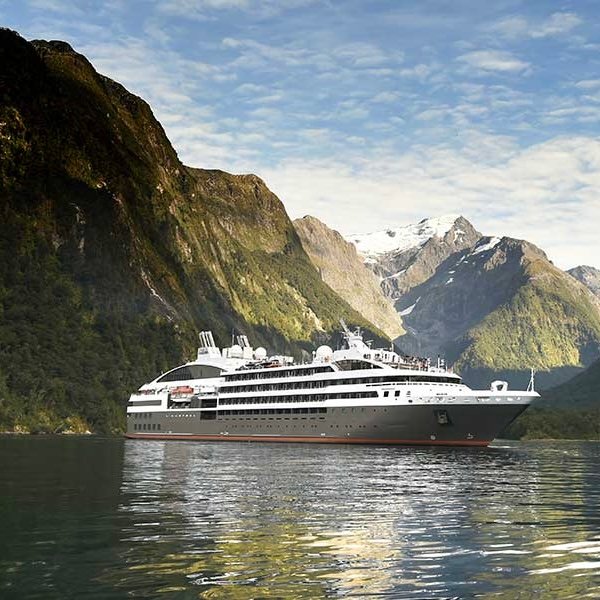


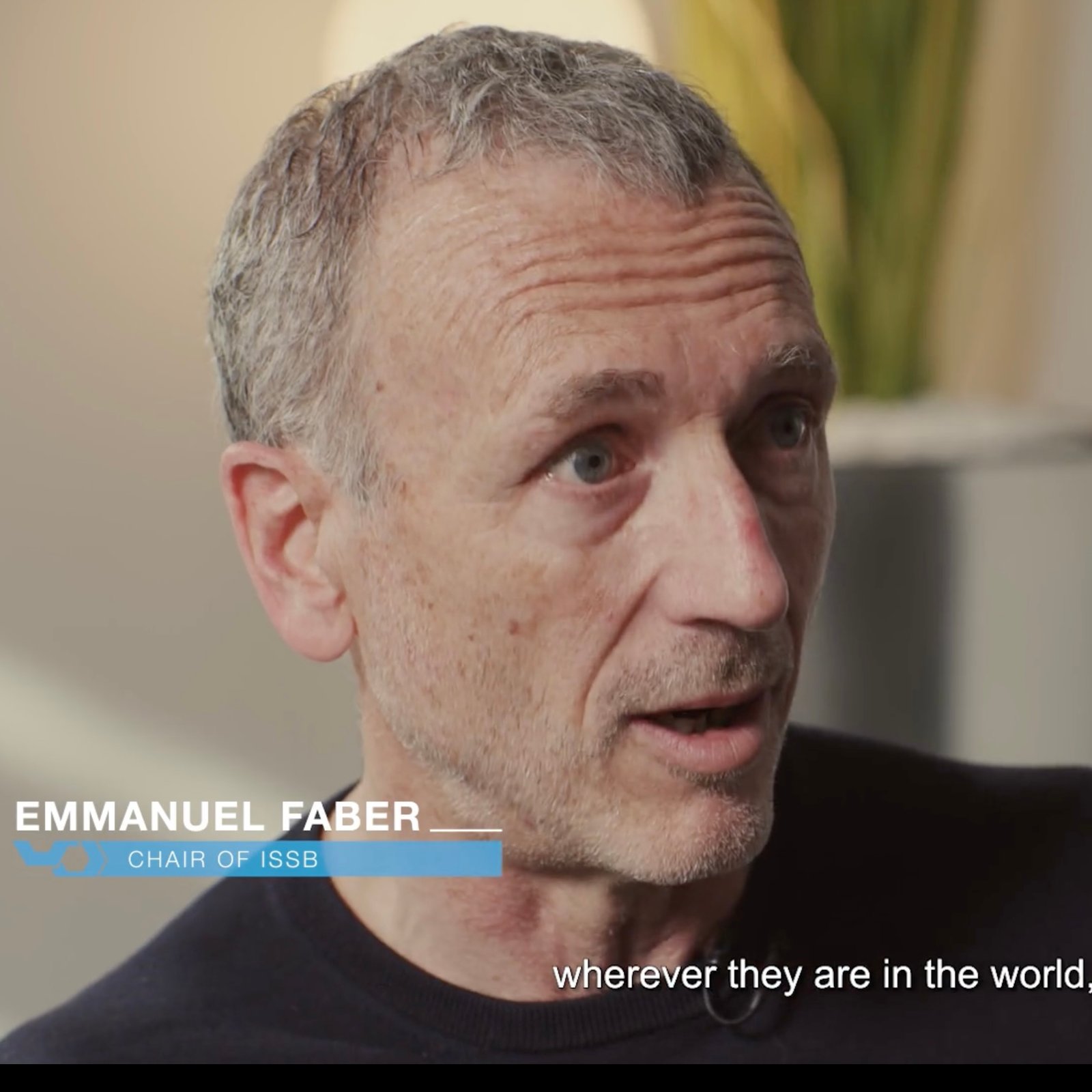
Some of the brands, media and institutions I have worked with













I started out in journalism.

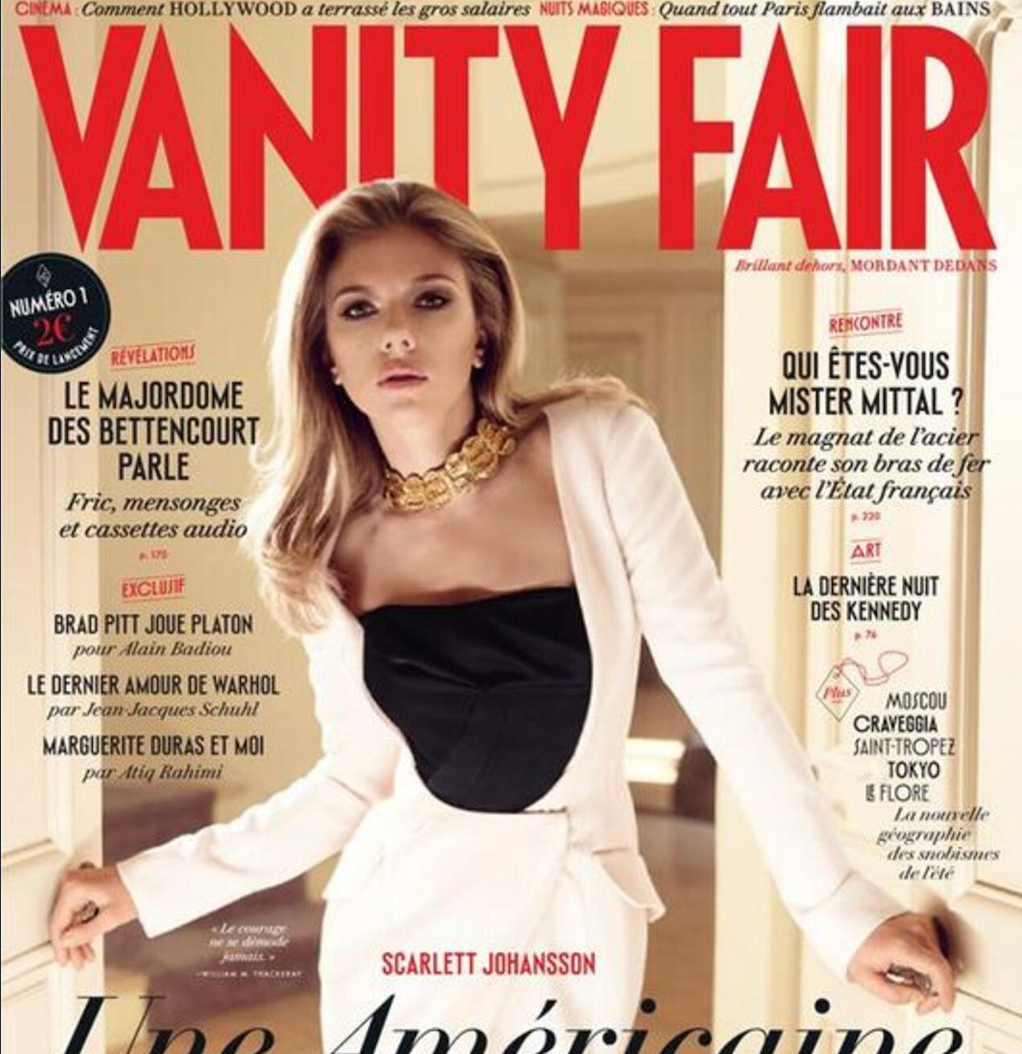
I ran digital newsrooms at Condé Nast, for Glamour and then Vanity Fair, whose digital edition I launched, and the print newsroom of Marie France.
Ten years ago, I became an entrepreneur. In 2019, I launched Les Déviations, an independent media brand that passed 100 million views, and sold it in 2021. Six years ago, I created Thune, an intimate podcast about money. It talks about salaries, inheritance, couples and power, with a sociological rather than financial eye. Thune helped people, women in particular, talk openly about money, and it now gets 100,000 listens a month.
I have conducted more than 500 interviews, in France and abroad: Xavier Niel, Karl Lagerfeld, Jacques Attali, Sarah Jessica Parker, Emmanuel Faber, Idris Elba… and plenty of people you have never heard of.
I work mostly in hospitality, luxury and lifestyle, and occasionally with players in finance, through my podcast Thune.
Write to me.